

For decades, joint surgery was commonly associated with older adults, but medical advances have shifted that perception. Today, many people under 60 wonder whether knee replacement is an appropriate solution for chronic pain and mobility loss. The answer depends less on age and more on lifestyle impact, joint damage, and the ability to make informed choices about both health outcomes and long-term costs.
Evaluating Suitability Beyond Age
Age alone is no longer a strict barrier when considering knee replacement. Surgeons now focus on how severely knee problems affect daily function and whether other treatments have failed. Younger patients often seek surgery because knee pain interferes with work, family responsibilities, or an active lifestyle.
Common Reasons Younger Patients Consider Surgery
Younger individuals may develop knee damage due to sports injuries, accidents, or early-onset arthritis. In these cases, pain can become constant and debilitating. When medications, injections, and physical therapy no longer provide relief, surgery may be discussed as a medically reasonable option.
Another factor is quality of life. If knee issues prevent walking, exercising, or even standing for long periods, the benefits of restored mobility may outweigh concerns about age.
Advances in Implant Technology
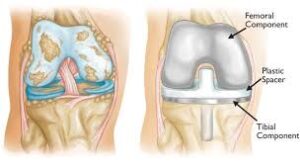
Modern implants are designed to last longer than those used decades ago. Improvements in materials and surgical techniques mean that many implants can function well for 15 to 20 years or more. For younger patients, this durability reduces—but does not eliminate—the likelihood of future revision surgery.
Understanding implant lifespan helps patients weigh the long-term value of knee replacement, especially when planning financially for potential future procedures. Comparing providers and implant options adds clarity to both medical and economic decisions.
Balancing Activity Levels and Expectations
Younger patients are often more active, which can place greater stress on an artificial joint. While surgery can significantly reduce pain, it may come with activity modifications. High-impact sports are usually discouraged to extend implant life.
Clear communication with healthcare providers helps set realistic expectations. Knowing what activities are safe after knee replacement allows patients to align surgical decisions with personal goals and lifestyle needs.
Financial Considerations for Younger Patients
Cost planning is particularly important for younger individuals, who may face decades of healthcare decisions ahead. Surgery expenses, rehabilitation, and possible future revisions all factor into the overall picture. Access to transparent pricing and comparison tools empowers patients to evaluate options carefully rather than making rushed choices based solely on symptoms.
Websites such as jforh.com promote awareness around healthcare value, helping patients understand not just the procedure, but the full scope of care and associated costs. This approach supports smarter planning and reduces unexpected financial strain.
When Alternatives May Still Be Better
In some cases, joint-preserving procedures or targeted therapies may delay the need for surgery. Younger patients with manageable symptoms may benefit from continued conservative care, buying time before considering knee replacement. The key is regular reassessment rather than assuming surgery is inevitable.
Making an Informed, Individualized Decision
Ultimately, suitability for knee replacement in younger patients depends on pain severity, functional limitations, and personal priorities. Advances in orthopedics have expanded options, but the decision remains highly individualized. Learning about conditions like arthritis and how they progress can help patients understand whether surgery addresses the root of their symptoms.
In conclusion, knee replacement can be suitable for younger patients when joint damage significantly limits life and other treatments have failed. By combining medical guidance with transparent cost awareness and thoughtful comparison of care options, younger individuals can make confident decisions that support both long-term mobility and financial well-being.