

automated assembly processes streamline flex circuit board
Automated assembly processes have revolutionized the manufacturing industry in various ways, and their impact on the production of flex circuit boards is no exception. Flex circuit boards, also known as flexible printed circuit boards (PCBs), are integral components in numerous electronic devices, ranging from smartphones and wearables to medical devices and automotive systems. The utilization of automated assembly processes in the fabrication of flex circuit boards brings about significant advantages, streamlining the production process and enhancing overall efficiency.
One key benefit of automated assembly processes in flex circuit board manufacturing is the precision they offer. These processes utilize advanced machinery and robotics programmed to perform intricate tasks with pinpoint accuracy. Unlike manual assembly, which is prone to human error, automated processes ensure consistent quality and reliability in the final product. Every component is placed with exacting precision, minimizing the risk of misalignment or defects that could compromise the functionality of the flex circuit board.
Moreover, automated assembly processes significantly enhance the speed of production. With machines capable of working around the clock without fatigue or breaks, manufacturing times are greatly reduced compared to manual methods. This accelerated pace not only increases overall output but also allows manufacturers to meet tight deadlines and rapidly respond to market demands. Whether producing large quantities or customized prototypes, automated assembly ensures timely delivery without sacrificing quality.
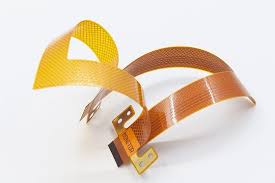
How do automated assembly processes streamline flex circuit board?
Another advantage of automated assembly in flex circuit board manufacturing is its versatility. Modern automated systems are designed to handle a wide range of component sizes, shapes, and materials, including the delicate substrates used in flex circuits. Whether mounting surface-mounted devices (SMDs), through-hole components, or flex circuit connectors, these machines can adapt to the specific requirements of each assembly job. This flexibility enables manufacturers to efficiently produce diverse types of flex circuit boards to suit various applications and industries.
Furthermore, automated assembly processes offer improved consistency and repeatability. Once programmed, machines execute assembly tasks with unwavering precision and consistency, ensuring that each flex circuit board produced adheres to the same high standards. This consistency is crucial for industries where reliability is paramount, such as aerospace, medical, and automotive sectors. Whether producing a handful of prototypes or thousands of units, manufacturers can rely on automated processes to deliver consistent results every time.
In addition to precision and speed, automated assembly processes also contribute to cost savings in flex circuit board manufacturing. While the initial investment in automated equipment may be substantial, the long-term benefits outweigh the costs. Automated processes reduce labor expenses associated with manual assembly, minimize material waste through optimized component placement, and lower the risk of errors that could result in costly rework or product recalls. Over time, these cost savings translate into improved profitability for manufacturers.
Moreover, automated assembly processes enhance worker safety by minimizing exposure to potentially hazardous materials and repetitive tasks. By automating repetitive and labor-intensive processes, manufacturers can mitigate the risk of ergonomic injuries and occupational hazards associated with manual assembly. This not only creates a safer work environment but also boosts employee morale and productivity.
In conclusion, automated assembly processes play a crucial role in streamlining the production of flex circuit boards, offering precision, speed, versatility, consistency, cost savings, and enhanced worker safety. As technology continues to advance, automated systems will likely become even more sophisticated, further optimizing the manufacturing process and driving innovation in the electronics industry. By embracing automation, manufacturers can stay competitive in a rapidly evolving market while delivering high-quality flex circuit boards to meet the demands of modern technology.