

vibroacoustic analysis used in engineering
Vibroacoustic analysis is a critical component of modern engineering, focusing on the interaction between sound waves and structural vibrations. This specialized field is essential for designing and optimizing various mechanical and structural systems to ensure efficiency, safety, and durability. Engineers use vibroacoustic techniques to study how sound waves propagate through materials, identify potential sources of unwanted noise or vibrations, and develop solutions to mitigate these effects. From aerospace to automotive industries, vibroacoustic analysis plays a vital role in enhancing performance and reliability.
One of the most common applications of vibroacoustic analysis in engineering is noise reduction. In industries such as automotive and aerospace, excessive vibrations and noise can compromise comfort, safety, and overall system performance. Engineers use vibroacoustic modeling to analyze how sound waves travel through different materials and identify areas where noise control measures need to be implemented. This allows for the development of soundproofing materials, damping solutions, and advanced insulation techniques that minimize unwanted noise.
Structural integrity is another key area where vibroacoustic analysis is widely used. Vibrations can lead to fatigue and wear in mechanical components, reducing the lifespan of critical structures. Engineers conduct detailed vibroacoustic assessments to understand how vibrations affect different parts of a system and implement design modifications that enhance durability. This is particularly important in fields such as civil engineering, where buildings, bridges, and transportation infrastructure must withstand environmental and operational vibrations over time.
How is vibroacoustic analysis used in engineering?
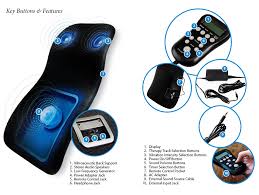
At Vibroacoustic Solutions, we specialize in advanced vibroacoustic analysis tools designed to be lightweight, modular, and user-friendly. Traditional analysis equipment was often complex and expensive, limiting accessibility. However, our innovative solutions allow engineers to integrate vibroacoustic analysis seamlessly into their workflows, improving efficiency and precision in design and testing processes.
In the field of aerospace engineering, vibroacoustic analysis is crucial for ensuring aircraft safety and performance. The interaction between sound waves and structural components in aircraft can lead to resonance issues, increased material fatigue, and potential failures. By conducting detailed vibroacoustic simulations, engineers can predict how different materials and designs respond to various acoustic and vibrational forces, leading to better aircraft structures with improved durability and reduced noise levels inside the cabin.
Automotive engineering also relies heavily on vibroacoustic techniques to enhance vehicle performance. Noise, vibration, and harshness (NVH) analysis is a core part of car manufacturing, as it helps engineers design quieter and more comfortable vehicles. By using vibroacoustic analysis, manufacturers can optimize engine mounts, suspension systems, and insulation materials to create a smoother driving experience while reducing external noise pollution.
Another important application of vibroacoustic analysis is in industrial machinery and manufacturing. Excessive vibrations in machinery can lead to inefficiencies, increased energy consumption, and premature wear of mechanical components. By employing vibroacoustic monitoring systems, engineers can detect potential issues early, allowing for predictive maintenance and reducing downtime in production facilities. This results in improved operational efficiency and cost savings for industries that rely on heavy machinery.
In conclusion, vibroacoustic analysis is a fundamental aspect of modern engineering, playing a crucial role in noise reduction, structural integrity, aerospace safety, automotive performance, and industrial efficiency. As technology advances, innovative and accessible solutions from companies like Vibroacoustic Solutions are making it easier for engineers to integrate vibroacoustic analysis into their work, leading to safer, quieter, and more efficient designs across various industries.