
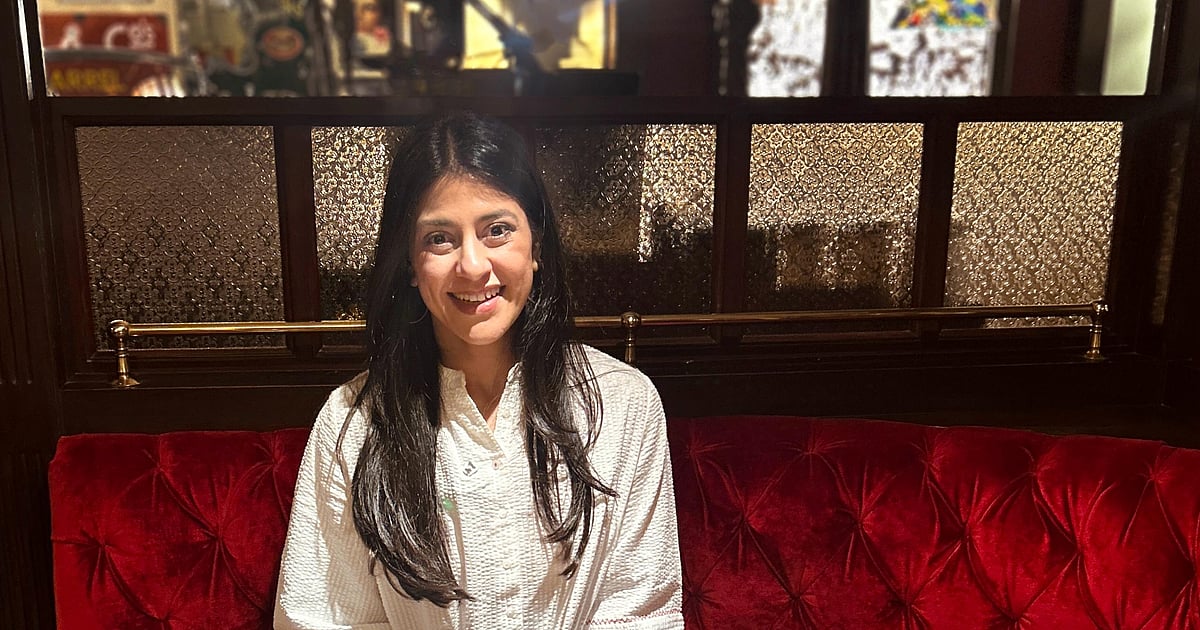

What Mirza brings to the table is nostalgia layered with comfort. “This is the food I grew up eating, so it carries that emotional weight,” she says. But not all recipes have survived. “My mother has forgotten a lot,” Naushy says. “Even when she tries to remember, she struggles. I’m trying to archive what I can now. It’s hard, but it feels necessary.”
For Mirza, food is both preservation and performance. She often feels the responsibility to keep her culinary heritage alive. “Sometimes things are lost over the years,” she says. “But it’s our responsibility to preserve as much as possible and keep sharing those experiences—because otherwise, it’ll all fade away.”
“Take Roghni Tikkia, for instance—a thin flatbread from Pakistan that was also prepared by Lucknowi families,” she says. “Hardly anyone makes it anymore. It’s meant to be eaten with rich gravies—it brings balance. But it’s a slow, dying recipe.”
Even something as simple as keema carries stories that risk being erased. “Traditionally, it’s made with karonde—those small tart berries. The dish is actually called hari mirch karonde keema. But karonde is disappearing. You rarely find it in the markets now,” says Mirza.