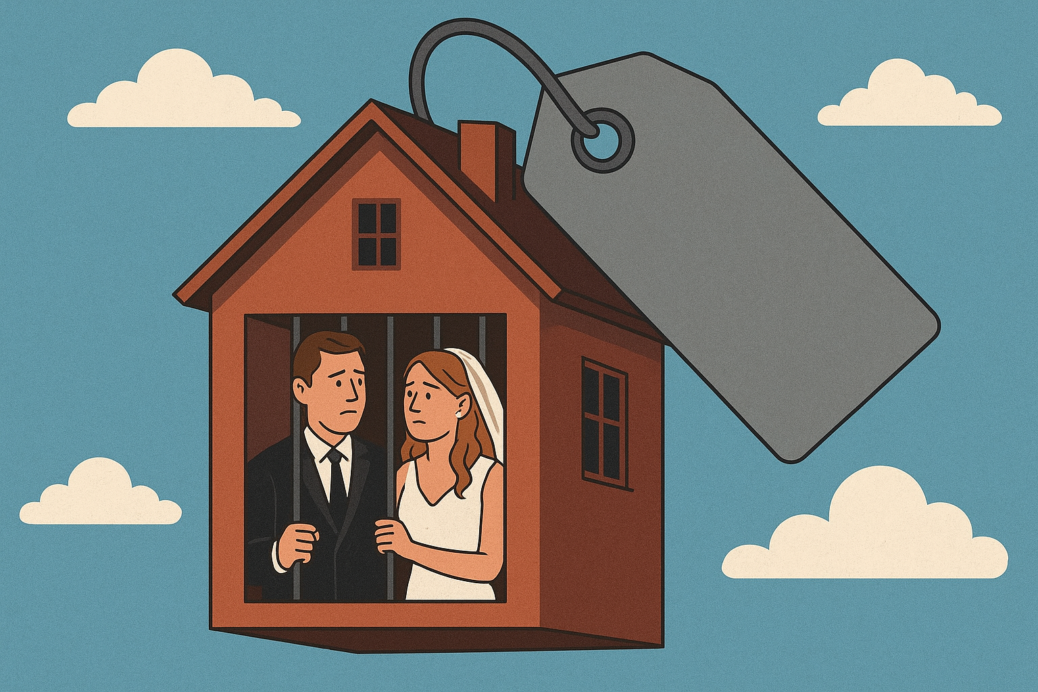


There’s no greater financial milestone than signing a contract to own a property that you can call your own. While you may be tempted to take out the celebratory champagne to commemorate this monumental purchase, the truth is, there’s still a lot of work lined up for you as the upcoming homeowner.
If it’s your first time purchasing a piece of real estate, you may be wondering what tasks you need to fulfil after the purchase. One of the most significant ones is clearing the hidden costs associated with the purchase price of your new property.
The truth is that buying property entails spending a lot on associated costs, from broker commissions to appraisal fees. It’s natural for new real estate owners to pay an additional 5% to 10% of fees on top of the property’s purchase price. And if you didn’t take that into account, you may face financial constraints that could stack up against you fast.
As such, it’s important to be acutely aware of the hidden costs of purchasing a property, whether it’s for residential or commercial use. Being bogged down by a mortgage plan that’s higher than your cash flow can leave you drowning in debt for years if not decades. Consequently, this can detrimentally shape your and your family’s quality of life in the long run.
The good news? If you’re still in the planning phase, you’ve got plenty of time to familiarise yourself with the likely fees you’ll be paying on top of your new property’s down payment.
Let’s jump right into it.

Tip: Don’t rush into the purchase. If you want to learn more about what to expect so that you can prepare yourself for a future property purchase, you’re in the right place. This article can serve as a useful guide to lay out likely costs you’ll encounter and ways you can manage them effectively.

As appealing as it is to buy a home, many Australians, especially those in the early stages of their careers, simply don’t have the finances to cover the cost of an entire house from the start.
With things like groceries and transportation chipping away at a local’s purchasing power, many prospecting homeowners are seeking alternative ways to finance their new property. This is especially true for city dwellers, as they may not have the money to immediately pay off a house purchase price, or even the standard downpayment rate of about 20% to 30%.
Many, for instance, look into financial services like Australian Financial and Mortgage Solutions to help them navigate the complex world of homeownership with a trusted expert within reach.
That said, it’s not impossible for homeowners to purchase a home independently, especially if they’re well-researched.

Note: If you fit the bill, then here are some expenses associated with buying a home in Australia besides the initial purchase price. Some of these can be one-time purchases, while others could be recurring, so keep that in mind before buying a lot.
- Stamp duty: This is a government tax imposed by the state that depends on the property’s value.
- Council rates: A compulsory charge made to the local council to fund local infrastructure.
- Utility connection: Fees made to utility providers to access services like gas, water, and an internet connection.
- Moving costs: A fee made to handle truck hire or moving services.
- Legal or conveyancing fees: Covers contract reviews, settlement handling, and title checks.
- Building inspection: Cost paid to professionals to uncover structural issues, infestations, or other problem areas.
- Transfer fees: A fee paid to the state to signify an ownership transfer under your name.
- Mortgage registration fee: A one-time payment to register for a home loan.
- Loan application fee: A fee imposed by banks and lending companies that allows you to borrow from them.
- Lenders’ mortgage insurance: A payment you must make to grant the lender financial protection, particularly if your initial deposit amounts to less than 20% of the property’s purchase price.
- Renovations: Painting, upgrades around the house, and minor structural upgrades all fall under this category.
- Mortgage fees: Charged by the lender if applicable.
The total cost of these various fees can be upwards of $50,000 for the initial year before settling in. You could also be looking at a monthly payment of $10,000 a year for maintenance and recurring fees like insurance.
These prices can naturally go up depending on where you live in Australia, with cities like Sydney and Melbourne having a higher average expense breakdown compared to smaller towns and cities.
Having said that, new property owners need to make the right decisions to ensure that they’re allocating their finances most effectively. Here’s what new property owners can do to help them lower the cost of their home buying expenses without compromising on any front.

With the high cost associated with owning a new piece of property, it’s important to manage the purchase effectively to ensure that you’re optimising your spending in the best possible way.
Here’s what you should know and consider doing before securing your first property.
-
Create a Comprehensive Budget
When planning to own a new piece of real estate, it’s essential to prepare your financial strategy in anticipation of the upcoming purchase as early as possible. This is best organised by creating a budget plan that includes your income, expenses, and capital.
An effective budget is one that leaves no room for doubt. It’s comprehensive and inclusive of all costs, even the most minor ones. It also distinctly separates each cost associated with homeownership to ensure clarity in reports. A good budget is also regularly updated in a timely manner.
Having a thorough and comprehensive budget ensures that you have the right foundation to keep track of your finances. This is a crucial first step to ensure that future calculations of expenses and financial projections will be based on accurate and trackable data, enabling you to make more confident decisions when purchasing your first property.
-
Understand the Average Cost Per Cost Category
Another way to prepare for your upcoming property purchase is by familiarising yourself with the likely costs you’ll incur along the way. This entails familiarisation of the entire process of buying a home, from registering the title under your name to getting the right home insurance policy for it.
Each state has a different fee range per cost category. Stamp duties, for instance, can range from $10,000 to $35,000 depending on the state you register your property in. Besides your geographical location, other factors like your borrower profile and utility type can also cause your expenses to vary from the mean.
In any case, it’s a good idea to understand ballpark figures to give you a rough estimate of your likely spending. This way, you’ll have better control over your finances later on, allowing you to make the right decisions more precisely.
Note: When buying and renovating a new property, it’s only natural for you to encounter a few setbacks along the way before you get to use it for its intended purpose.
These setbacks can range from minor to major, and they’re not always accounted for early on in the acquisition timeline. Think things like room renovations, structural fixes, and utility rewiring.
To prepare for these costs, it’s a good idea to set aside a portion of your capital to pay off any potential surprise costs you may encounter along the way—a buffer or emergency fund, in essence. This fund should be about 5% of your property’s value, or 10% if possible.
This amount may seem steep, but factoring this into the equation before acquiring a property saves you a lot of potential stress down the line. Plus, you can always loan a sizeable lump sum before you buy the property—just be sure to have the cash flow to keep up with the repayment schedule.
-
Get Quotes From Multiple Professionals
As a first-time property owner, you’re probably unfamiliar with the standard costs of service providers associated with the homebuying process. This is natural. Research can only reveal so much; the best way to know the offerings and services of each provider in the best detail is by requesting multiple quotes from different providers.
Whether it’s for conveyancing, building inspections, insurance providers, or real estate brokers, requesting quotes from multiple professionals within these fields can help you gauge the market standard and ensure that what you’re paying is not exorbitantly high or unrealistic.
Tip: When requesting a quote, be sure to get a detailed breakdown of what’s included in each service. A contract would be ideal as it’ll reveal potential hidden costs or bonds that you may not want or need beforehand.
By requesting multiple quotes, you can make a cost-effective decision that best aligns with your budget, potentially saving you thousands of dollars in the long run. Just be sure not to skimp out on quality by picking the cheapest options; weigh each option through a value-based lens.
-
Plan Your Financing Options
Before committing to a property purchase, it’s essential to know about the different loans you can avail of beforehand. Most new property owners only pay the stipulated down payment (20-30%) for the property and secure a mortgage to pay the rest.
Note: Mortgages can come in different forms. It’s a good idea to look into the different loan types, as well as the different lenders and their profiles, to get a complete view of potential lending agreements you can avail of and the best one for your specific needs.
For instance, loans can have a fixed or variable interest rate scheme. They may also be hybrid. Some mortgages allow you to deposit a low amount but have high interest rates, while others could have a high minimum deposit but with more favourable interest rates.
Certain loan agreements, like offset accounts, are also available to help provide flexibility in your mortgage payment plan. In any case, it’s a good idea to familiarise yourself with the various lending strategies to ensure that you’re picking what works best for you and your finances.
We hope this article will serve you well in your next property purchase!