
conductive materials are used in pcb fabrication
In PCB (Printed Circuit Board) fabrication, the choice of conductive materials is crucial as they form the pathways for electrical signals to flow between components. Various types of conductive materials are used in PCB fabrication, each offering unique properties and suitability for different applications.
The most common conductive material used in pcb fabrication is copper. Copper is favored for its high electrical conductivity, excellent solderability, and affordability. Copper foil is laminated onto the substrate surface during the fabrication process and patterned to create the desired conductive traces and pads. Copper is widely used in PCB fabrication due to its reliability, compatibility with standard manufacturing processes, and ability to meet the electrical requirements of most applications.
In addition to copper, other metals such as aluminum, silver, and gold are also used as conductive materials in specialized applications. Aluminum is valued for its lightweight and thermal conductivity, making it suitable for heat sinks and thermal management solutions in high-power electronic devices. Silver offers even higher electrical conductivity than copper but is less commonly used due to its higher cost and susceptibility to oxidation. Gold, on the other hand, is prized for its exceptional corrosion resistance and reliability in high-reliability applications such as aerospace and medical electronics.
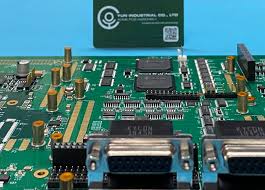
What types of conductive materials are used in pcb fabrication?
Furthermore, conductive polymers and carbon-based materials are gaining popularity in PCB fabrication for their unique properties and suitability for specific applications. Conductive polymers, such as polyaniline and polypyrrole, offer flexibility, corrosion resistance, and tunable conductivity, making them ideal for flexible PCBs and wearable electronics. Carbon-based materials, such as graphene and carbon nanotubes, exhibit exceptional electrical conductivity, mechanical strength, and thermal properties, enabling advanced applications in high-frequency circuits, aerospace, and automotive electronics.
Moreover, hybrid conductive materials, such as metal-polymer composites and conductive inks, are used in PCB fabrication to enhance performance and functionality. Metal-polymer composites combine the electrical conductivity of metals with the flexibility and processability of polymers, offering a balance of properties for applications requiring flexibility and durability. Conductive inks, composed of metallic particles dispersed in a polymer matrix, enable additive manufacturing techniques such as inkjet printing and 3D printing, allowing for rapid prototyping and customization of PCBs.
Additionally, nanomaterials such as silver nanoparticles and copper nanowires are being explored for their potential to improve conductivity, reduce material usage, and enable miniaturization in PCB fabrication. These nanomaterials offer unique electrical, mechanical, and thermal properties at the nanoscale, making them promising candidates for next-generation electronic devices.
In conclusion, a variety of conductive materials are used in PCB fabrication, each offering distinct properties and advantages for different applications. From traditional metals like copper, silver, and gold to emerging materials such as conductive polymers, carbon-based materials, and nanomaterials, PCB designers have a wide range of options to choose from when designing circuits. By selecting the appropriate conductive material based on the specific requirements of the application, designers can ensure the production of high-quality PCBs that meet the demands of modern electronics applications.